Léon
Houyoux
To depict less the subject itself than the air that surrounds it, the light that passes through it.
Chronology
illustrated.
A journey through the work by period, from the Academy to the Rouge-Cloître, from wartime works to the Houyoux stamps.
Birth, training and Academy
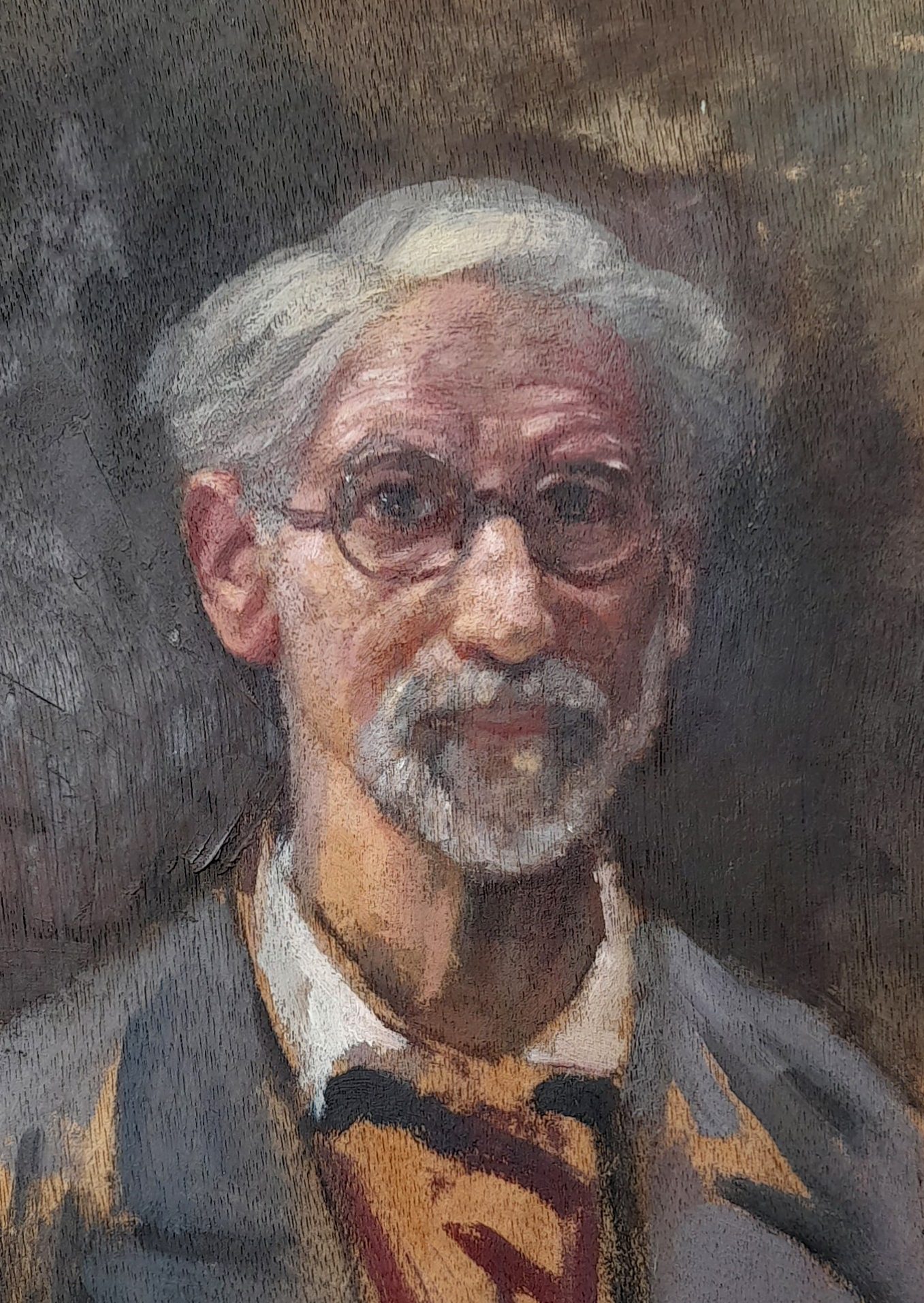
Léon Jean Jacques Houyoux was born in Brussels on 24 November 1856. He was immersed from an early age in contact with nature and waited until the age of nineteen to enrol in evening painting classes at the Brussels Academy. He then studied under Jean François Portaels at the Royal Academy of Fine Arts in Brussels between 1877 and 1879, alongside Fernand Khnopff, James Ensor and François Halkett. In 1878-1879, he ranked first in painting, ahead of Khnopff and Ensor.


Travels and discoveries
His path led him to Munich and Paris in 1879, where he discovered Impressionism, which would influence all his work. He then continued his training in the Netherlands, London, Scotland, Dresden and Berlin before settling permanently in Brussels in 1885. These travels nourished his attention to atmosphere, landscape, filtering light and the subtle variations of the motif.
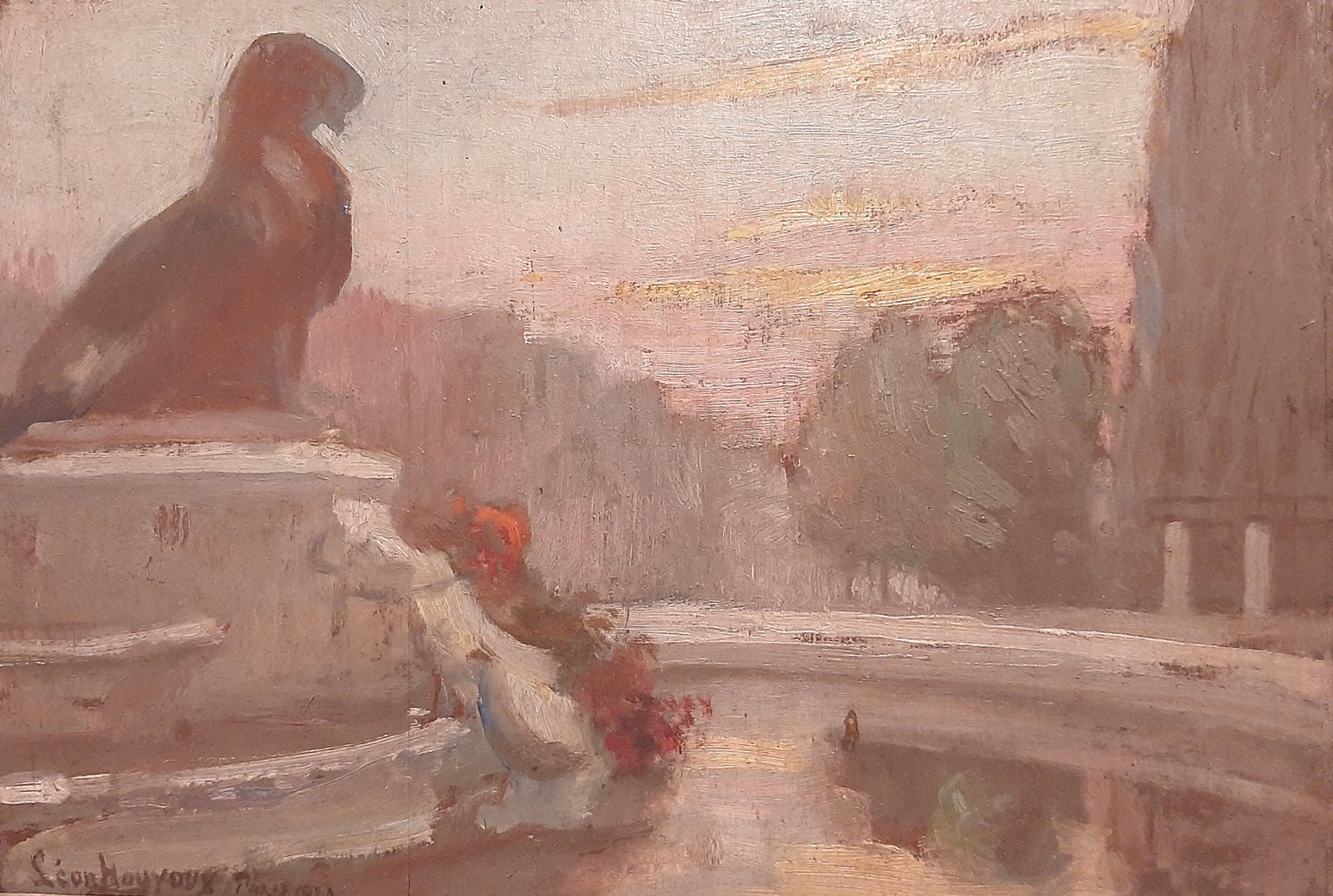
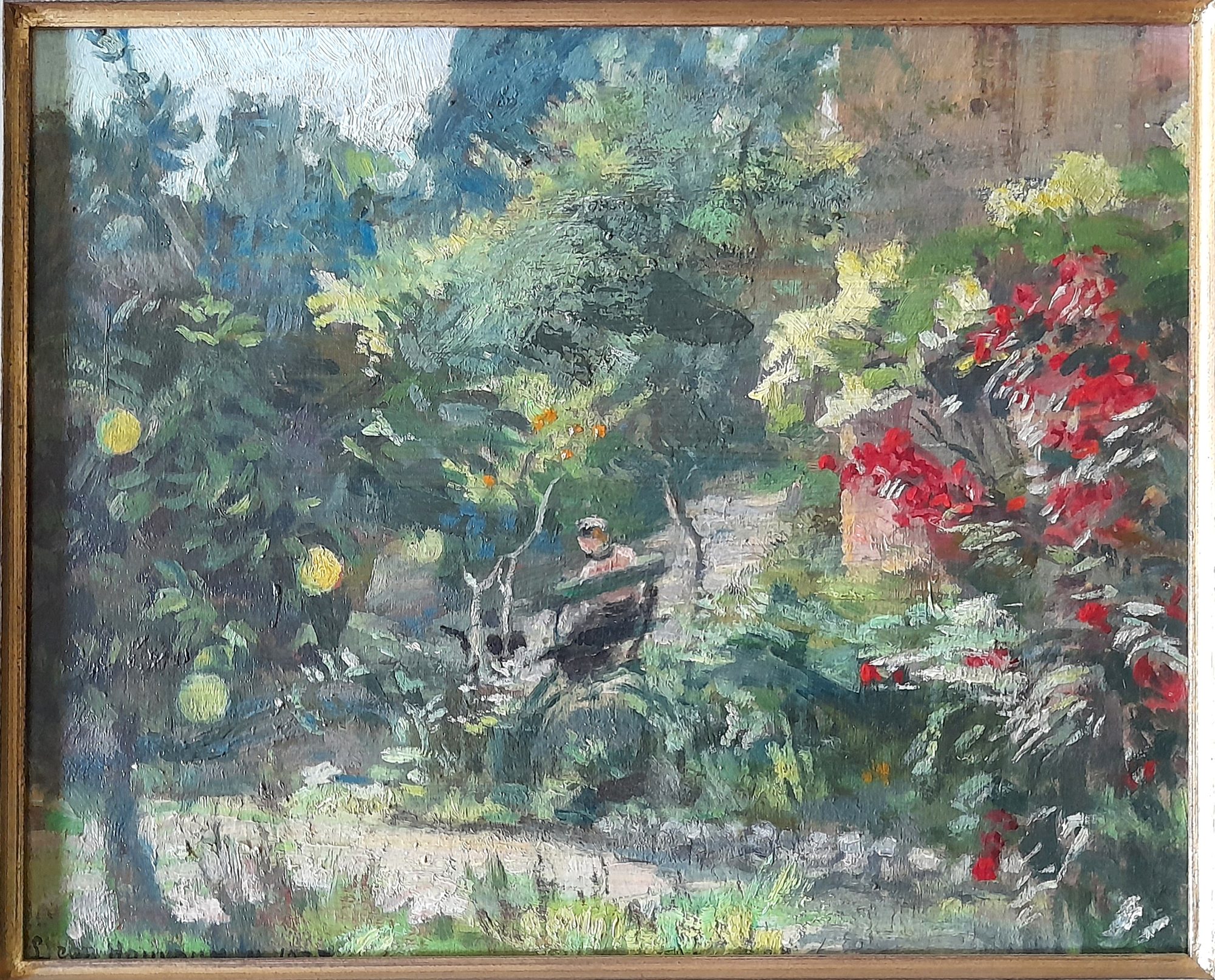
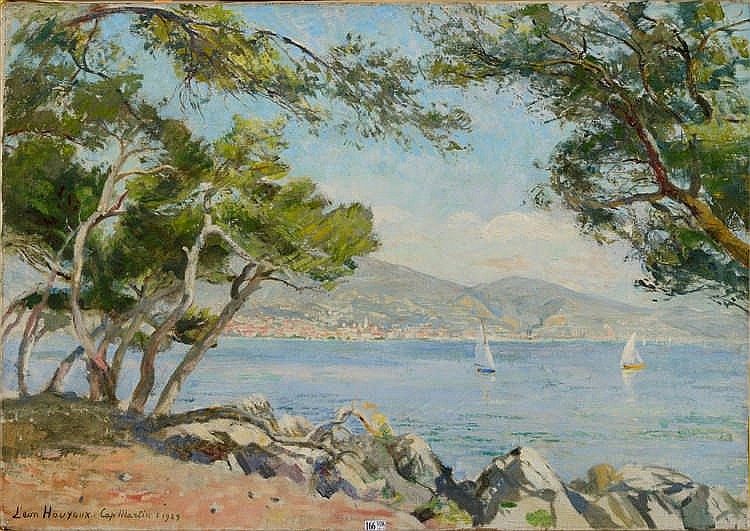
L’Essor, Khnopff and Parisian recognition
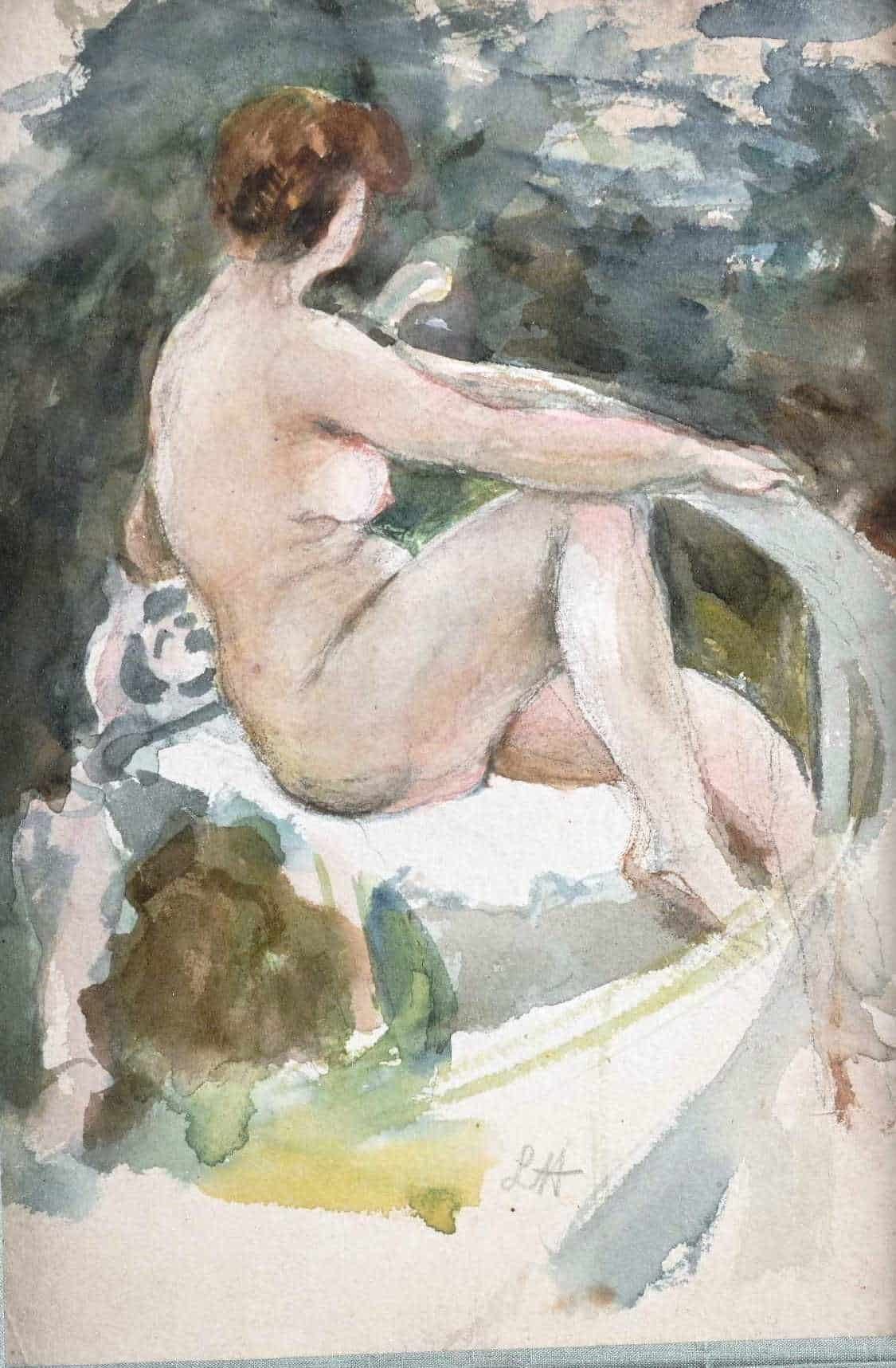
Léon made his debut at the Brussels Triennial Salon in 1881 and joined the artistic circle L’Essor, where he exhibited until 1888. Fernand Khnopff painted a ceiling canvas for his house, La Peinture, la Musique et la Poésie, which would eventually join his studio at the Rouge-Cloître. In 1896, Léon became a member of the Société Nationale des Beaux-Arts in Paris and won a gold medal for an outdoor nude, Sous la Feuillée.
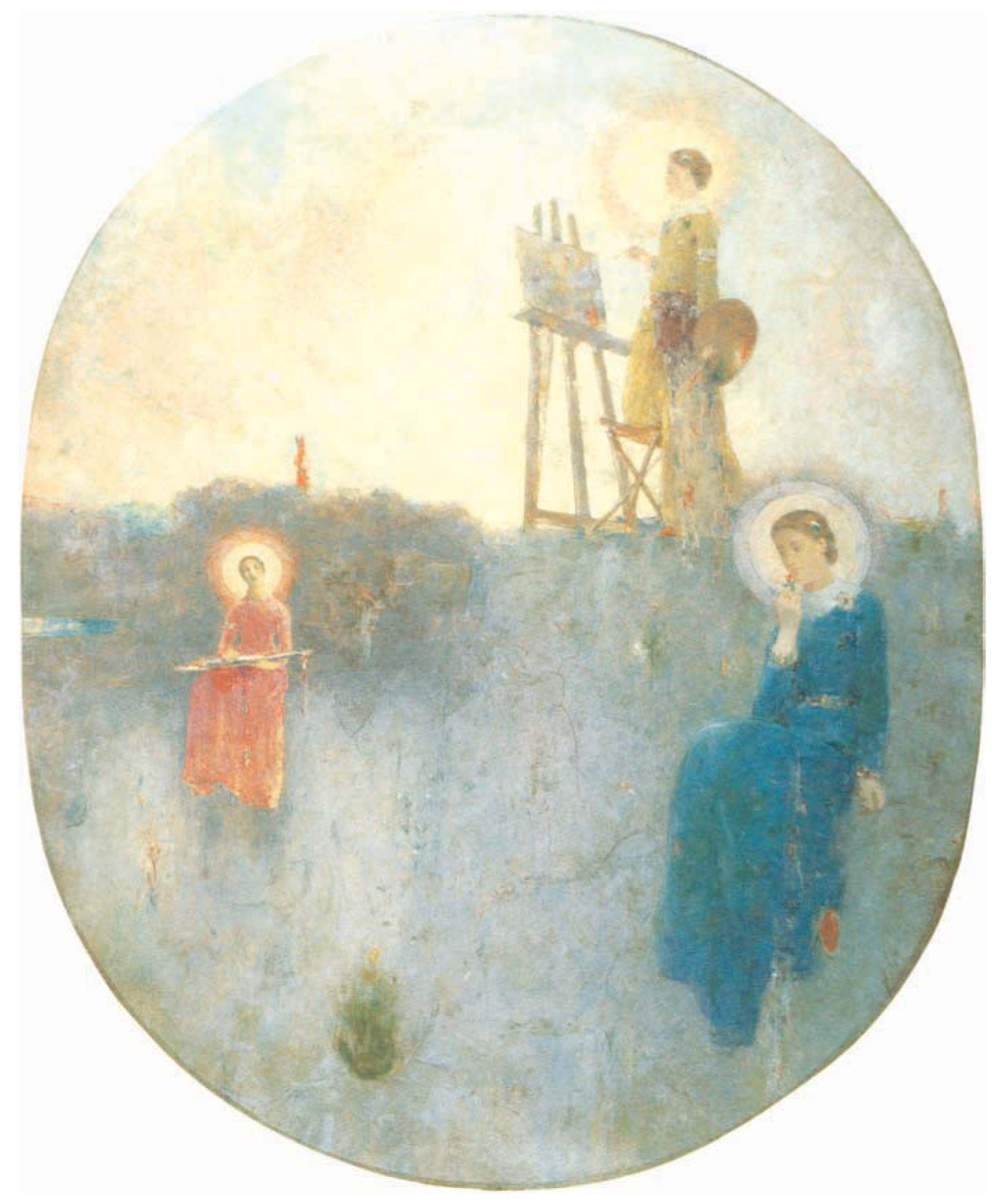


Exhibitions and settling at the Rouge-Cloître
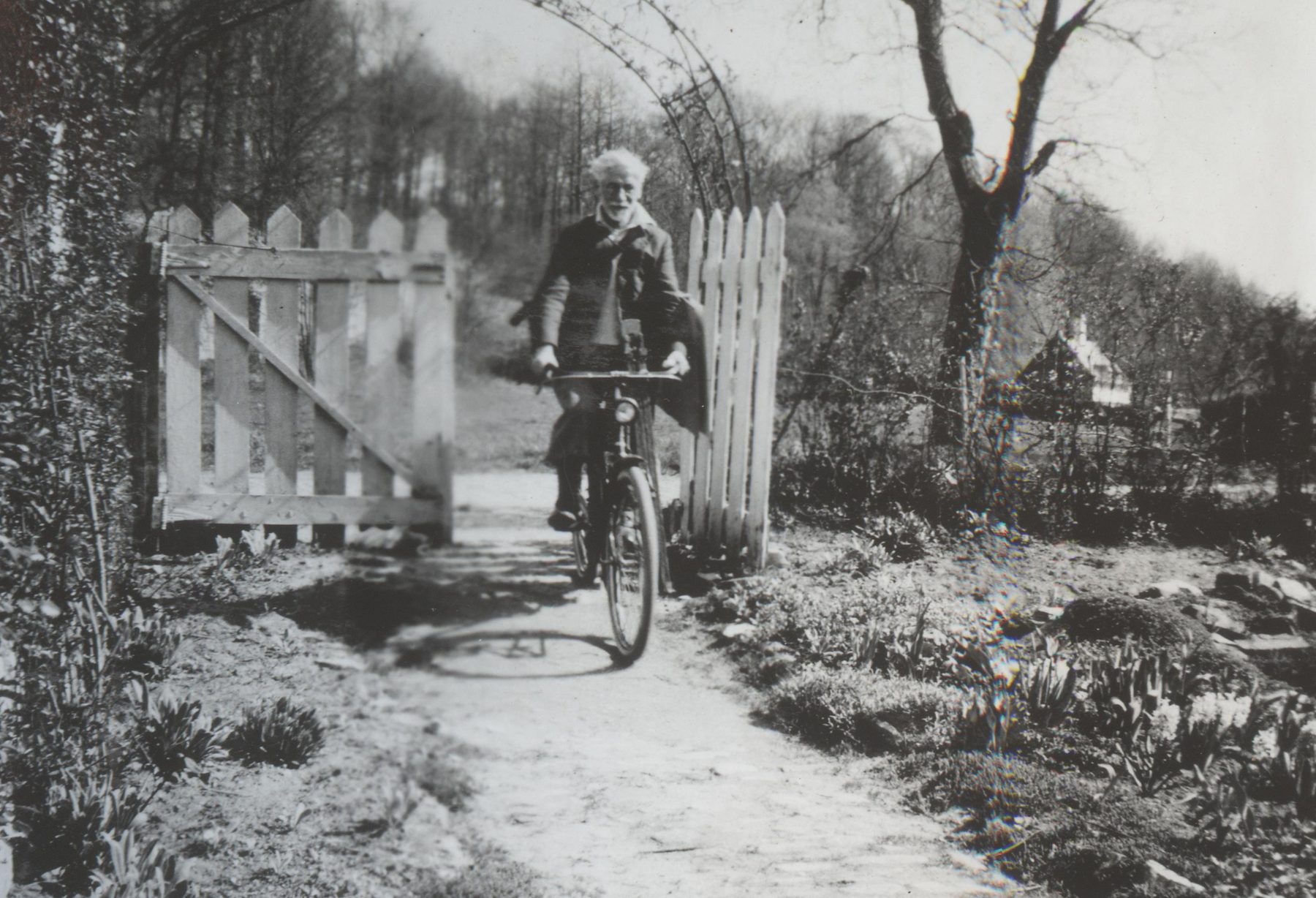
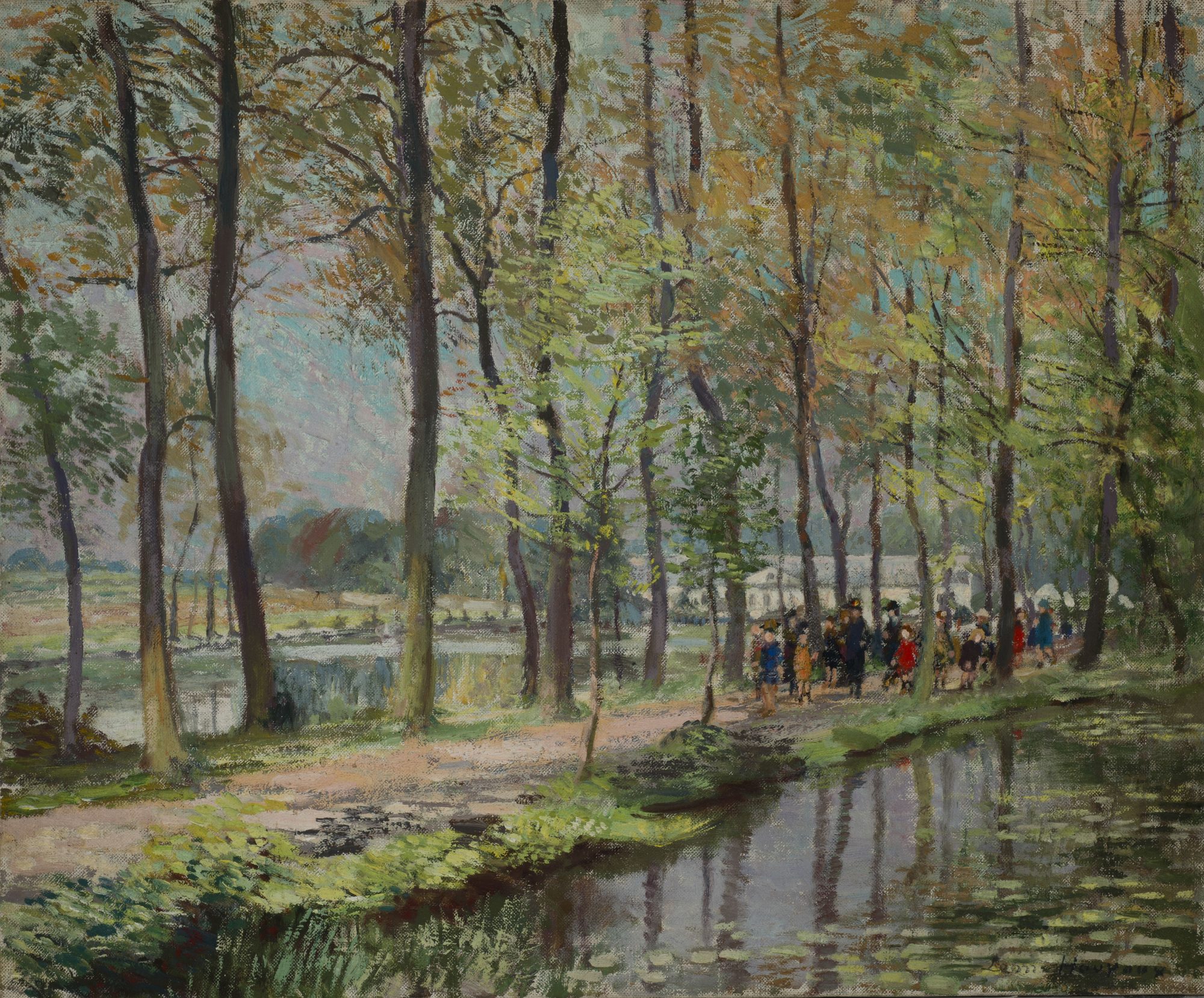
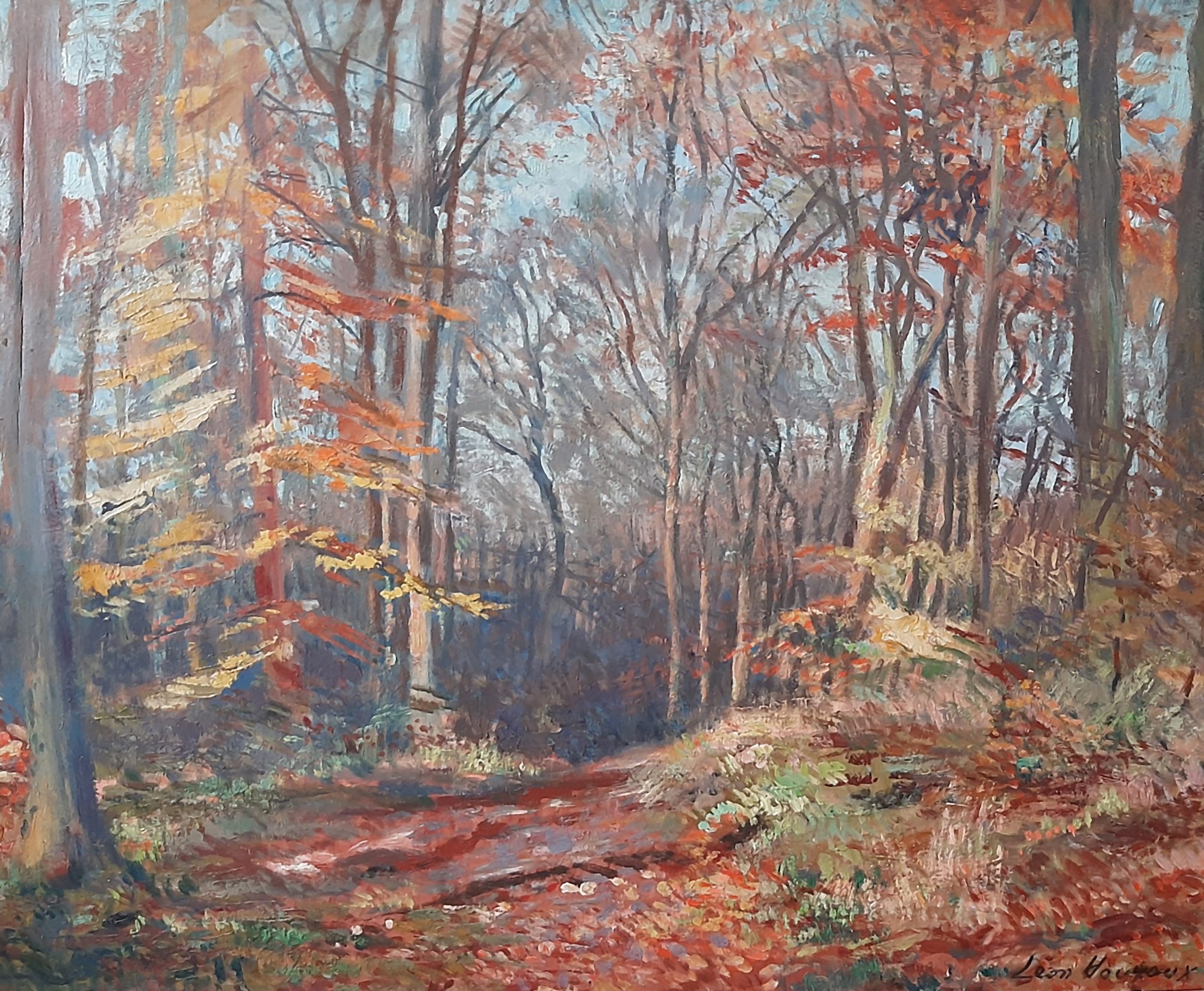
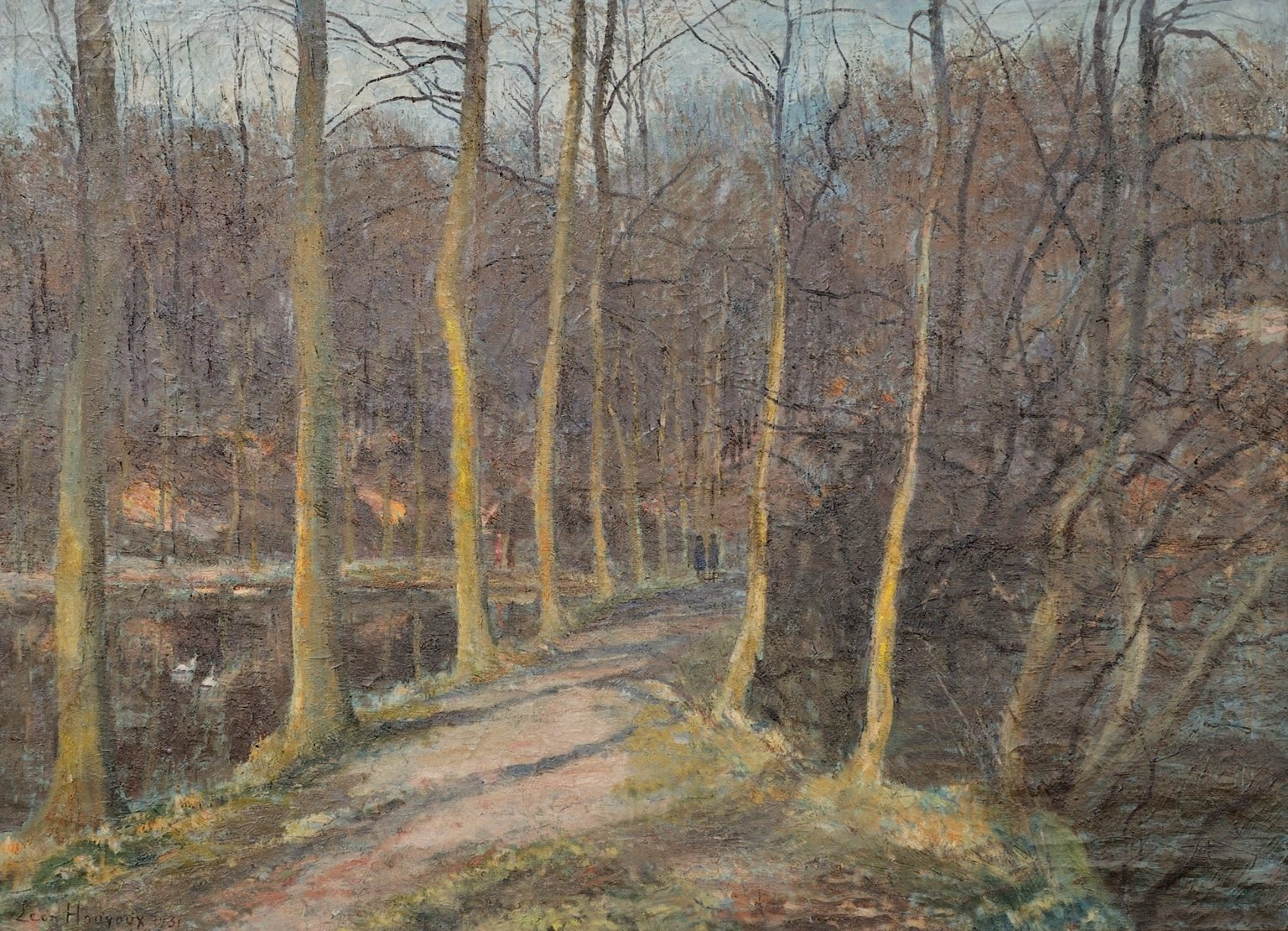
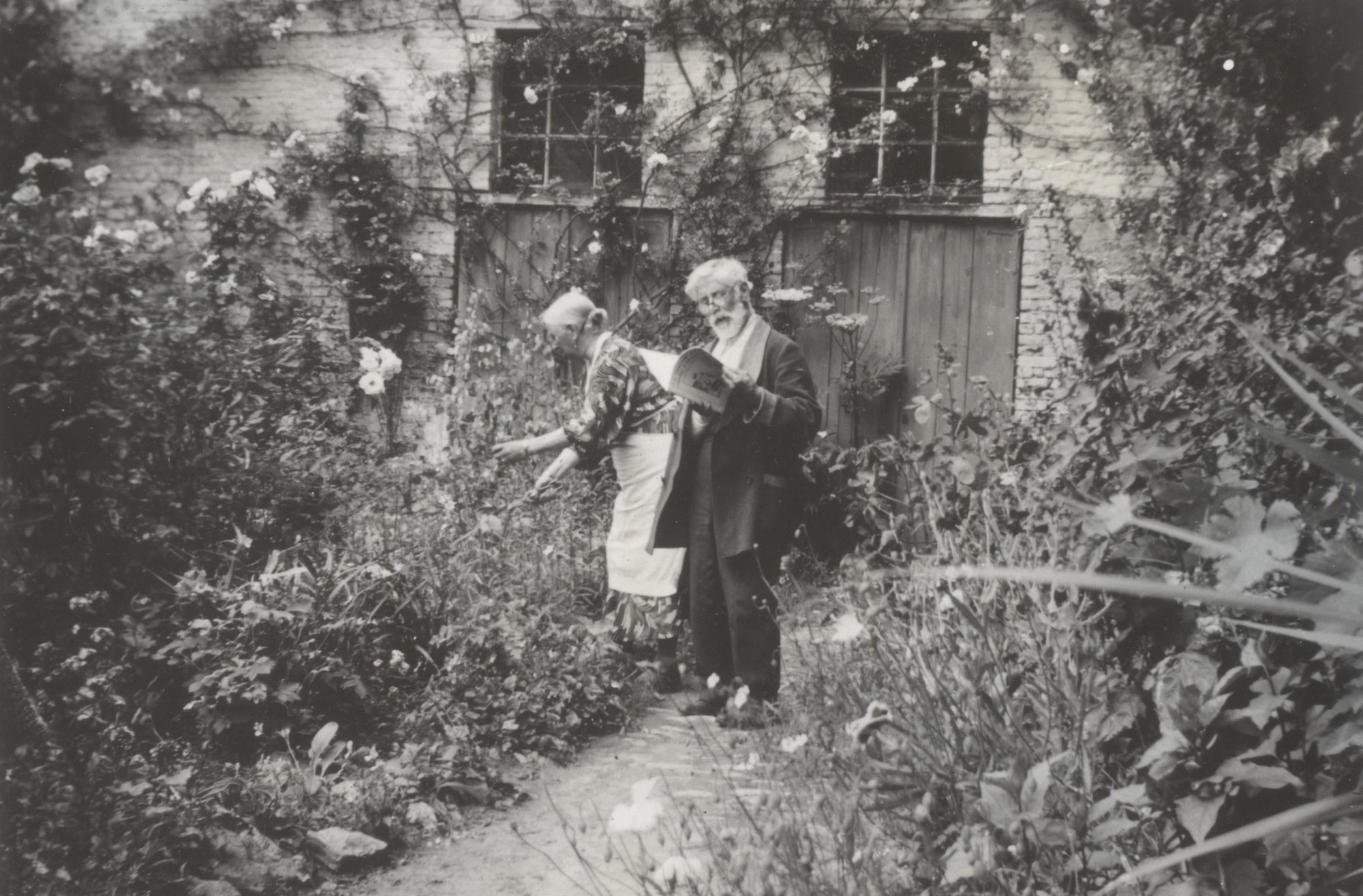
In 1904, he exhibited in the Belgian section of the World’s Fair in Saint Louis. In 1908, he took part in the international fine arts exhibition in Bruges, then settled in Auderghem at the Rouge-Cloître. For more than twenty years, he occupied the small red-roofed house opposite the Art Centre and painted the Sonian Forest with a technique of vaporous, luminist touches.


War and relief
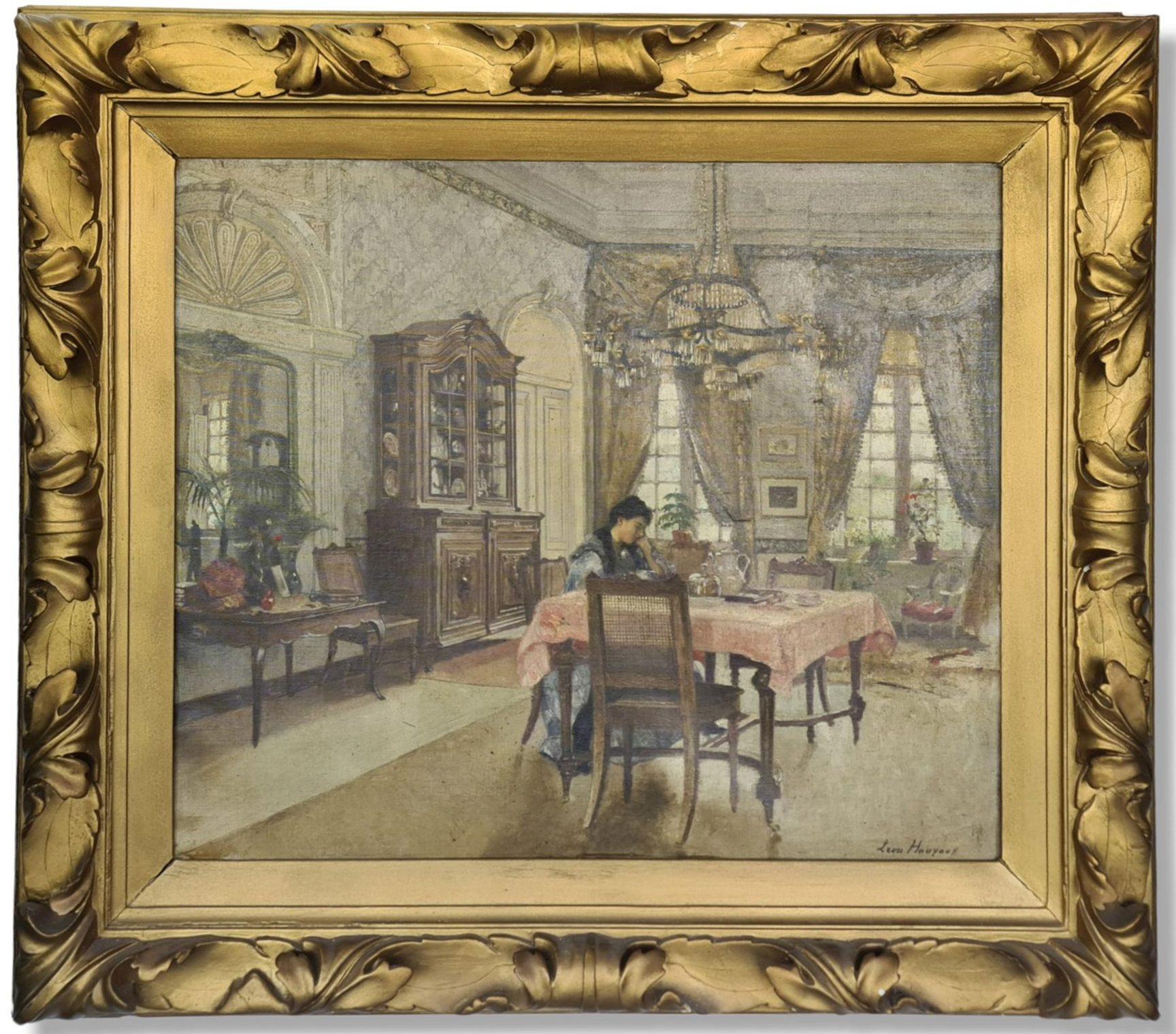
During the First World War, Léon painted Secours d’hiver, now kept in the council chamber of the Auderghem town hall. It represents an episode of food relief by the American Commission for Relief in Belgium under German occupation. Lacking canvases, he also painted on flour sacks received through these donations.


The Houyoux stamps
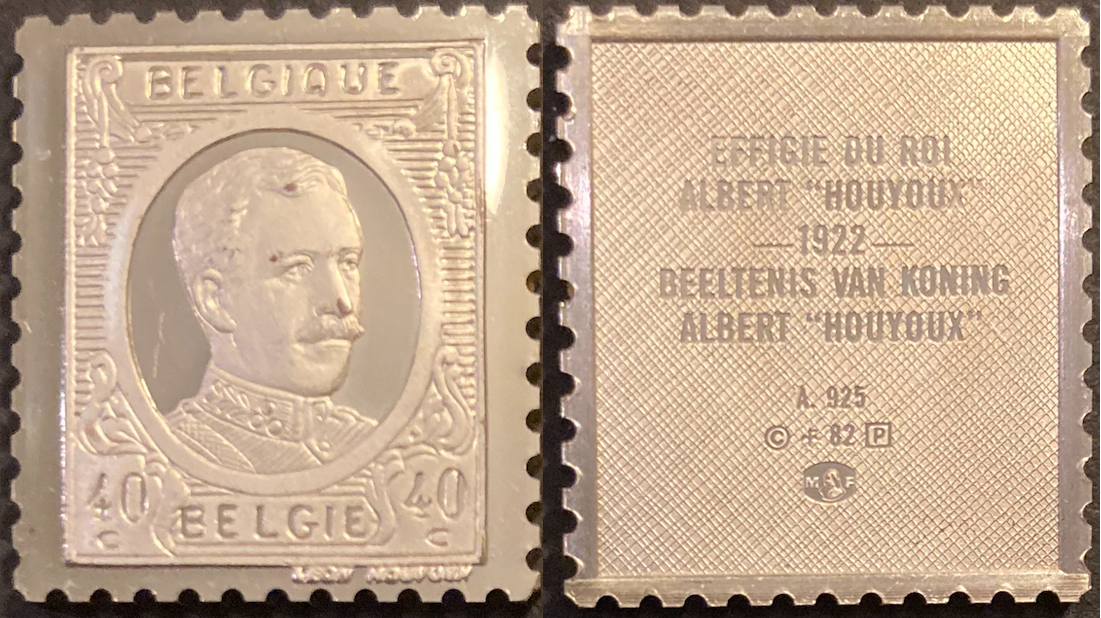
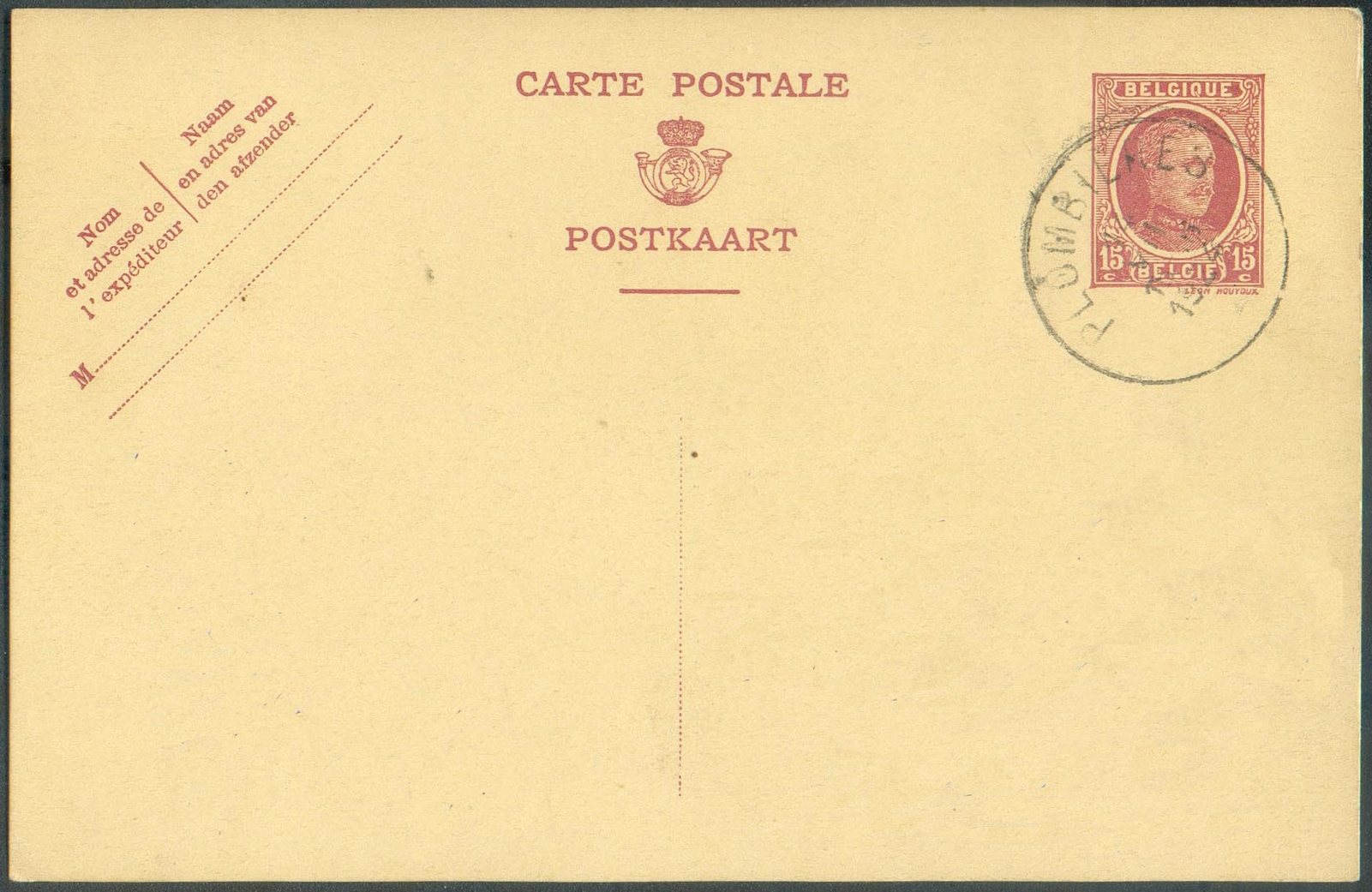
In 1922, the Belgian post issued the Houyoux stamp series bearing the effigy of King Albert I, designed by Léon. The first stamp was issued on 21 July 1922. This type remained in circulation until 1930, before being replaced by a heraldic lion. In 1927, a trilingual French, Dutch and German Houyoux postcard was also issued.


Final years and memory
Léon Houyoux exhibited at the Cercle Artistique et Littéraire until 1936. He died on 10 October 1940 at the Rouge-Cloître and was buried in the Auderghem cemetery. His work, often described as luminist, retains a contemplative approach to landscape and intimate, gentle and graceful tones. His nudes and portraits highlight the intensity of colour, contrasts and light even more than the subjects themselves.